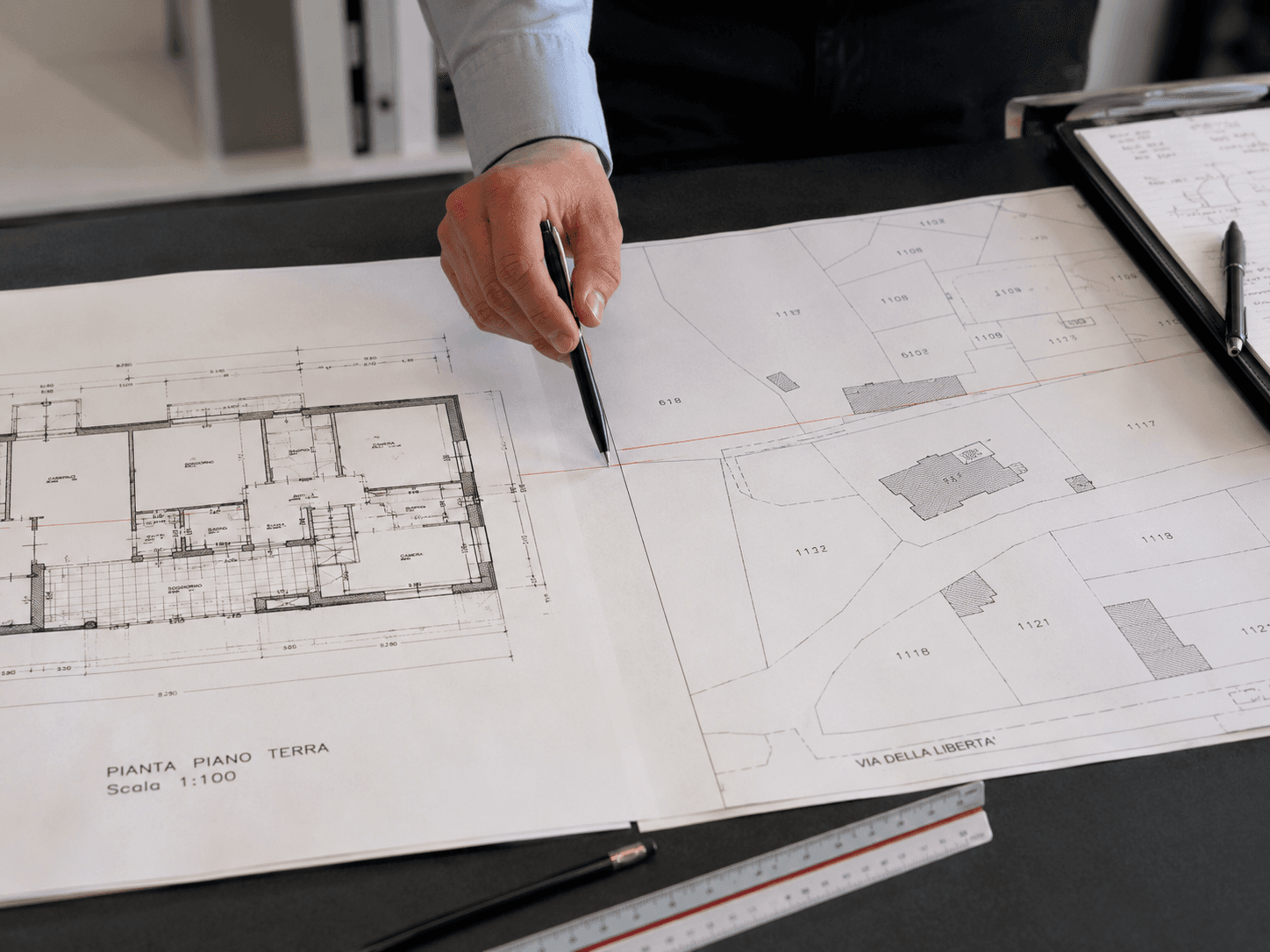
What each record does
- The Cadastre is an administrative record used mainly for tax purposes: it describes the property, its surface, use and location.
- The Land Registry is a legal record: it gives legal protection to ownership and to the rights and charges on a property.
Why they differ
- Extensions or changes that were built but never declared in one of the records
- Old records measured with less precise methods
- Changes in boundaries, divisions or groupings of properties
- Errors that were never corrected
Why it matters
A mismatch in surface, volume or position can become a problem exactly when you need the property to be in order: when you sell, when a bank values the property for a mortgage, or when heirs divide an inheritance.
How it is usually solved
The first step is a technical review: a physical inspection and a comparison of the real property with both records. Where differences exist, specialists prepare measured, georeferenced plans and the documentation needed to correct the records, and then process the corresponding filings.
The right route depends on the type of discrepancy, so it is worth understanding it before choosing how to fix it.
If you are buying
Check the consistency of registry, cadastre and the real property before signing. It is one of the most useful checks in a purchase, and one of the cheapest to do in advance.
This guide is general information, not legal, tax or financial advice. Rules and figures change, so always confirm the details of your case with a qualified lawyer or gestor.